

Setting the ‘standard’ in removals
Setting the ‘standard’ in removals As a professional removal company, Perry Removals is dedicated to providing outstanding service and complete customer satisfaction. To demonstrate our
Moving home with a cat can be challenging without a plan. Here’s how to make your furry friend’s transition to a new home as smooth as possible.
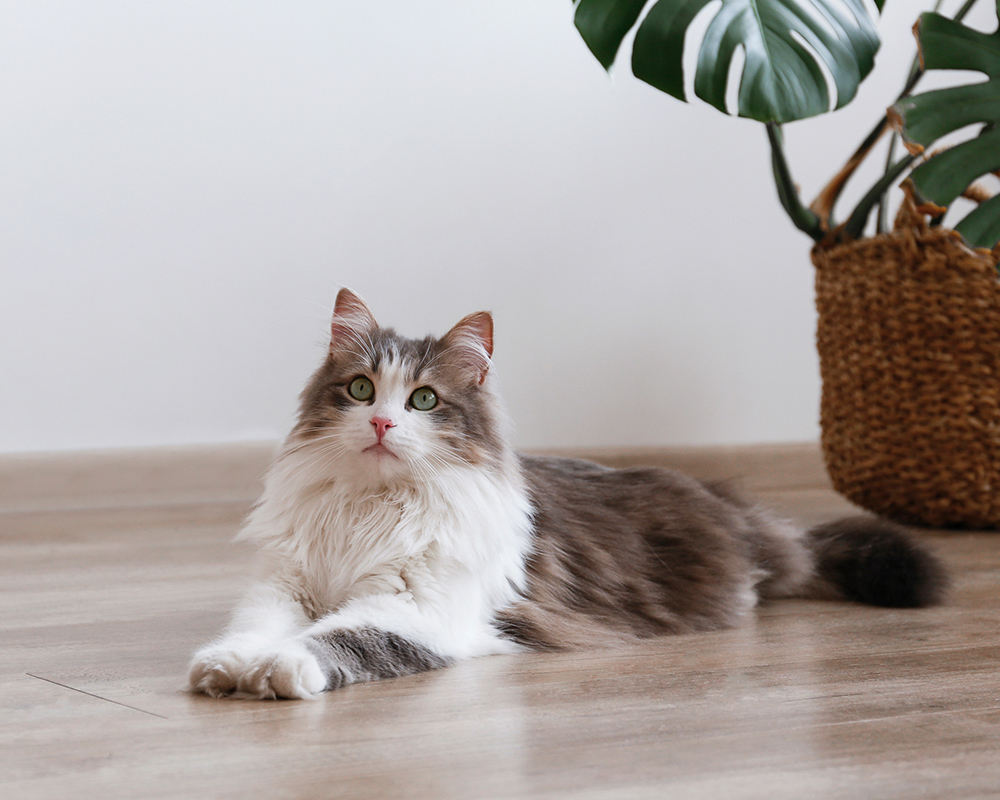
Unlike dogs, whose sense of territory centres on their owners, cats claim both their home and the wider area around it. Being moved away from familiar territory can therefore be extremely stressful for them.
Cats are highly sensitive to changes in their environment, so start preparing them for the move well in advance. Bring packing boxes into the home early and pack gradually, allowing your cat time to adjust. Keep one room unchanged for as long as possible so your cat has a familiar and secure place to retreat to. If you are using a professional packing service, keep your cat in this room until the packing is complete and the packers have left.
Ensure your cat is microchipped and that the registration details are up to date. In the UK, it is a legal requirement for cats over 20 weeks old to be microchipped and registered with an approved database.
To reduce the risk of your cat going missing, keep them indoors the day before the move. Cats can sometimes stay away for extended periods, and you don’t want to risk them being absent when it is time to leave.
Purchase a cat carrier well ahead of moving day and leave it out in the house so your cat can become familiar with it. You may also wish to use a cat-specific pheromone spray on bedding or inside the carrier or install a plug-in pheromone diffuser in your home. These products may help to calm your cat and reduce stress during the moving process.
Moving day can be stressful for cats, as the increased noise and activity can be unsettling. Keeping your cat in a quiet ‘safe room’ until the rest of the house has been emptied can help them feel more secure. Provide familiar bedding and toys, along with a litter tray, food and fresh water, and place a note on the door to prevent anyone accidentally letting them out.
As an alternative, you may choose to place your cat in their carrier and keep them in your car while the move is taking place. This can provide a quieter environment away from the main activity. If the weather is warm, ensure there is plenty of ventilation, and if it is cold, take steps to keep your cat comfortable and warm.
When you arrive at your new home, place your cat in a quiet room with the door closed and check that any windows are secure and cannot be opened far enough for an escape. Set up the room with everything your cat needs, including food, water, a litter tray, familiar bedding and favourite toys. Ask a family member to stay with them for reassurance while the move is taking place. If you have children, involving them in looking after the cat can also help keep them occupied while the removers bring items into the house.
Once the move is complete, the removers have left and the household has settled down, open the door and allow your cat to explore the new surroundings in their own time. Some cats will investigate straight away, while others may need a little more patience and encouragement before feeling confident enough to venture out.
It is normal for cats to show signs of stress following a move. They may hide, vocalise more than usual, refuse food, or become unusually clingy or withdrawn. Keep a close eye on your cat during this period and give them plenty of time to adjust. If they have not eaten for more than 24 hours, contact your vet for advice.
Once your cat has settled into their new home, it is recommended that you keep them indoors for at least two to four weeks before allowing them outside. Letting them out too soon could lead to them getting lost or attempting to return to their previous territory.
When the time comes to let your cat explore outdoors, try to do so just before a regular mealtime. A hungry cat is more likely to stay close to home and return when called. Accompany your cat outside but allow them to explore at their own pace. If they seem nervous, avoid carrying or forcing them outdoors.
After a few minutes, encourage your cat back inside by calling them for food or offering a favourite treat. It can also help to sit outside with them while they build confidence in their new surroundings. Leave the door open so they can return indoors whenever they feel comfortable.
A smooth move starts with good preparation, especially when pets are involved. By taking steps to help your cat adjust before, during and after moving day, you can reduce stress for both you and your pet. Perry Removals can help by providing professional packing and removals services, allowing you to focus on making your cat feel safe and secure in their new home. For more information about our packing and removals services, contact us today on 0800 211 8030 or email our team on mail@perryremovals.com
Call 0800 211 8030 today for a quote or email our team on mail@perryremovals.com
Setting the ‘standard’ in removals As a professional removal company, Perry Removals is dedicated to providing outstanding service and complete customer satisfaction. To demonstrate our

You can make your move less stressful by avoiding pitfalls and using careful planning. So, what are the five most common moving mistakes to watch out for?

Any estate agent would advise you to declutter your home before selling, so that the photographs they take make your home look more desirable to potential buyers. Read our top tips.